

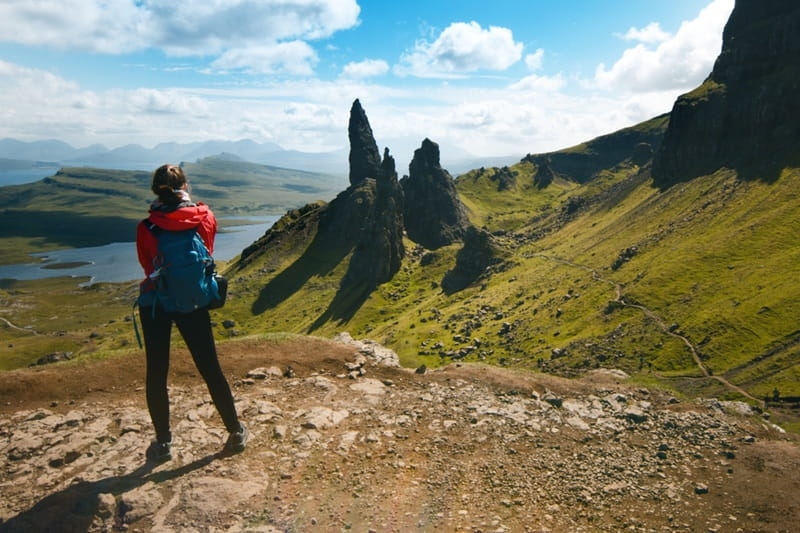
The Scottish Highlands aren’t just beautiful—they have this way of sticking with you. It’s not only about the scenery, even though that’s breathtaking. It’s more about the feeling you get: huge skies, peaceful lochs, roads that twist and turn, and somehow manage to take you everywhere and nowhere.
If you’re gearing up for your first trip, you’re probably dreaming about wild mountains and old castles. And yeah, you’ll find plenty of those. But you’ll discover there’s much more. A solid travel guide should be more than a checklist; it should help you really understand what it’s like—and how to get the most out of your visit.
Let’s make this trip easy. Here’s what to expect, what to do, and how to plan in a way that makes everything feel effortless once you’re there.
Planning a Highlands adventure can feel overwhelming. The place is massive, the roads wind endlessly, and the weather can change its mind every hour.
But once you get the basics, it all clicks.
The Highlands stretch across northern Scotland. You won’t find cities packed together; it’s mostly tiny towns, villages, and long runs of wild countryside.
Most travelers zone in on a few key areas:
Distances look short on maps, but driving takes longer than you think. Rural roads are often narrow—sometimes just a single lane—and you’ll want to stop all the time because the views are incredible.
This isn’t a rush-around place. You slow down here.
You linger at viewpoints. You choose the long way around just because it’s prettier. You spend time in spots you never planned to visit.
That’s where the magic happens.
Good planning isn’t about cramming things in. It’s about setting up enough structure, but leaving space to breathe.
Don’t try to rush through. If you can, aim for at least five to seven days.
Here’s a quick summary:
Cramming everything into just a couple of days usually means hours behind the wheel, not much fun.
Here’s a simple route lots of travelers use:
| Day | Location | Highlights |
|---|---|---|
| Day 1 | Inverness | City walk, River Ness |
| Day 2 | Loch Ness | Urquhart Castle, scenic drives |
| Day 3 | Isle of Skye | Fairy Pools, Old Man of Storr |
| Day 4 | Skye | Quiraing, coastal views |
| Day 5 | Glencoe | Hiking, valley landscapes |
| Day 6 | Fort William | Ben Nevis views |
| Day 7 | Return | Scenic drive back |
Think of this as a helpful backbone, not a strict schedule.
Sure, public transport exists, but it’s patchy in remote places.
Driving is your best bet. You can pull over for any view, detour on a whim, and discover those hidden corners.
Driving on the left takes some adjusting, but honestly, most people get used to it pretty fast.
A Closer Look at This: Royal Sites Scotland Airports: A Quick Guide for You
There’s loads to do. Picking your must-sees depends on what you like.
Some folks crave adventure. Others just want stillness. Most people end up chasing both.
The Highlands are famous for scenery that barely feels real.
Don’t miss:
Sometimes, just driving through these spots is enough.
Scotland’s history is written into every stone and hill.
Castles pop up everywhere, with many open for visitors.
Highlights include:
Even if you only stay for a bit, each castle has its own story.
Nature is only half the story. The vibe in Highland towns and villages adds the rest.
Try haggis, fresh seafood, or settle in a cozy pub with live music. Little village cafes often end up as trip favorites.
Some places are famous for good reason—they capture the Highlands’ essence in a way photos just can’t.
Nessie legends fill the air, but even without mythical creatures, Loch Ness is worth it.
Its deep, dark water creates a peaceful, mysterious atmosphere. Pair it with Urquhart Castle—this is classic Highlands.
Skye is almost its own planet.
Must-sees:
Each spot has a different feel, but they all share that rough, cinematic beauty.
Glencoe isn’t just pretty—it’s got history, weight, and a lingering intensity.
Drive slow, stop often. Watch how the landscape shifts with clouds and sunlight, sometimes in just a few minutes.
Don't Miss: Top Coastal Cliffs in Scotland Near Airports You Can Visit
Timing matters more than you might expect. The Highlands change significantly with the seasons.
June to August is the most popular time.
You get:
But you’ll also see more tourists.
May and September often strike a perfect balance.
Fewer crowds. Still decent weather. Beautiful landscapes.
Honestly, many experienced travelers prefer these months.
Winter feels different.
It’s quieter, sometimes dramatic, but requires more planning.
Even the best plans can use a few tweaks.
Keep these in mind:
They sound small, but they can make your trip way more relaxing.
Also Read: Top Airport Art Galleries Scotland: Quick Art Tour Guide
A trip to the Highlands isn’t just about checking off famous places. It’s about the moments in between—the quiet drives, the random stops, those times you just sit and soak it all in.
With the right guide, planning gets simple, and once you’re there, everything feels natural. Give yourself plenty of time. Stay flexible. Let the landscape take the lead.
That’s when the Highlands become truly unforgettable.
Five to seven days is ideal. That’s enough time to see the best spots without rushing.
Yes. Public transport is limited, and having a car lets you explore freely.
May and September give you good weather and fewer crowds. Summer means more daylight.
Absolutely. The region’s safe, well-marked, and welcoming. Planning just makes it easier.
This content was created by AI